Avoiding Crypto Scams: A Comprehensive Security Guide

The cryptocurrency industry offers tremendous opportunities but also attracts sophisticated scammers. With billions of dollars flowing through digital assets annually, criminals constantly develop new tactics to steal from unsuspecting investors. Learn to identify and avoid common scams.

The cryptocurrency industry, while offering tremendous opportunities, has become a breeding ground for scammers and fraudsters. With billions of dollars flowing through digital assets annually, criminals are constantly developing new tactics to steal from unsuspecting investors. Whether you're a complete beginner or an experienced trader, understanding the common scams can help protect your assets and your future. Cryptocurrency scams have evolved significantly since Bitcoin's inception. Early scams were relatively crude, but modern schemes are sophisticated and often involve legitimate-seeming websites, professional marketing materials, and seemingly credible team members. The decentralized nature of cryptocurrency means that once funds are sent, they're nearly impossible to recover. This makes prevention far more valuable than remediation.

Common Types of Crypto Scams

Phishing Attacks

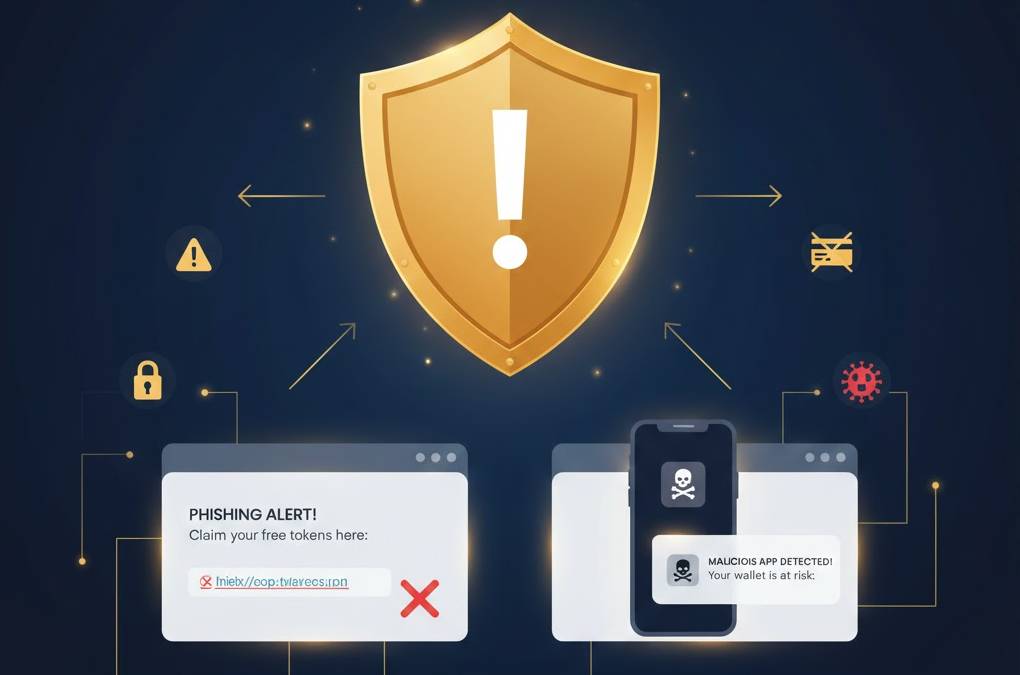
Phishing remains one of the most effective scams in cryptocurrency. Attackers create fake websites that mirror legitimate exchanges like Coinbase, Binance, or MetaMask. The URL might be slightly different—using similar letters or numbers—making it difficult to spot at a glance. When you log in with your credentials, the scammers capture them immediately. To protect yourself, always verify URLs carefully. Bookmark legitimate websites instead of searching for them. Use hardware wallets for large holdings, and enable two-factor authentication using an authenticator app rather than SMS when possible.

Rug Pulls

A rug pull occurs when a development team abandons a cryptocurrency project and runs away with investors' funds. This became extremely common during the DeFi boom. The scammers typically create hype through social media, promise extraordinary returns, and encourage people to invest in their token. Once sufficient capital is invested, they withdraw liquidity and vanish. Warning signs include anonymous development teams, promises of unrealistic returns, and projects that lack real utility or technical innovation. Always research the team behind a project and examine the smart contracts on platforms like Etherscan.

Fake Investment Schemes

These scams promise guaranteed returns or quick wealth from cryptocurrency investments. They might claim to have a special algorithm or insider knowledge that guarantees profits. Some operate as Ponzi schemes, paying early investors with money from new recruits rather than actual profits. Remember that legitimate investments never guarantee returns. If an opportunity sounds too good to be true, it almost certainly is. Be especially wary of unsolicited offers from people claiming to be investment managers or crypto experts.

Fake Wallets and Exchanges

Scammers create counterfeit wallet applications and exchange platforms that look identical to legitimate ones. These fake apps collect your private keys or seed phrases, giving the attackers complete access to your funds. Only download wallets and apps from official sources. For mobile apps, use the official app stores and carefully verify the developer. For wallets, visit the official website and download from there, never from links in emails or social media.

Giveaway Scams

These scams promise to double your cryptocurrency if you send them some amount first. Famous celebrities' social media accounts are often compromised to promote these schemes. The basic promise is always the same: send some crypto to receive more back. This is a simple fact: No legitimate entity will ask you to send cryptocurrency first to receive more. If someone offers this deal, they're stealing from you.

Advanced Scam Tactics

Social Engineering

Sophisticated scammers use psychology and manipulation to trick you into revealing information or sending funds. They might pose as customer service representatives from an exchange, offering to help you recover "lost" funds or claiming there's suspicious activity on your account. Always contact exchanges directly through their official channels if you're concerned about your account. Don't click links in emails or messages, and don't call phone numbers provided in unexpected communications.

Impersonation

Scammers create fake profiles impersonating cryptocurrency influencers, developers, or community leaders. They use nearly identical usernames and might even copy the profile picture. They then offer exclusive "opportunities" or sell fake courses and tools. Verify accounts on social media by checking for official verification badges. Never trust direct messages from accounts you haven't previously interacted with.

Pump and Dump Schemes

In these schemes, scammers artificially inflate the price of a low-value cryptocurrency through coordinated buying and false hype. Once the price rises, they sell their holdings, causing the price to crash and leaving regular investors with massive losses. These schemes are illegal in traditional markets and equally harmful in crypto. Be skeptical of coins experiencing rapid, unexplained price increases, especially when accompanied by intense social media hype.

Protecting Your Crypto Assets

Use Hardware Wallets

Hardware wallets like Ledger and Trezor store your private keys offline, making them virtually impossible to hack remotely. For any significant holdings, a hardware wallet is non-negotiable. The small investment in a hardware wallet can save you from devastating losses.

Enable Two-Factor Authentication

Always enable 2FA on your exchange accounts and wallets. Use an authenticator app like Google Authenticator or Authy rather than SMS-based 2FA when possible, as SMS can be intercepted.

Keep Your Private Keys Private

Your private keys are equivalent to your bank account password and PIN combined. Never share them with anyone, never type them into websites, and never screenshot them. Store multiple backups in physically secure locations.

Verify Information Independently

When you see exciting news about a cryptocurrency project, don't immediately act on it. Verify the information through multiple independent sources. Check the official website and social media accounts, and read community discussions on platforms like Reddit.

Research Thoroughly

Before investing in any cryptocurrency project, conduct thorough research. Read the whitepaper, examine the code on GitHub, check the team members on LinkedIn, and read independent reviews. The time you spend researching could save you thousands or millions of dollars.

Stay Updated

The scam landscape constantly evolves. Follow legitimate cryptocurrency news sources like CoinDesk and The Block to stay informed about new threats. Join communities on Discord or Telegram where experienced members discuss security best practices.

Red Flags to Watch For

- Pressure to invest quickly or FOMO-based marketing - Anonymous or unverifiable team members - Promises of guaranteed returns or unrealistic profits - Lack of clear tokenomics or technical documentation - Spelling errors or poor English on official materials - Requests for private keys or seed phrases - Unsolicited investment offers - Projects that constantly change their story or roadmap

What to Do If You've Been Scammed

If you discover you've been victimized by a scam, act quickly: 1. **Stop further loss**: Immediately move any remaining funds to a secure location 2. **Document everything**: Take screenshots of conversations, transactions, and website information 3. **Report it**: Contact the relevant platform (exchange, wallet provider) and file reports with law enforcement 4. **Alert authorities**: Report the scam to the FBI's Internet Crime Complaint Center (IC3) or your country's equivalent 5. **Warn others**: Share your experience in cryptocurrency communities to help prevent others from falling victim

Conclusion

The cryptocurrency space offers incredible opportunities, but only if you protect yourself from the numerous scams designed to separate you from your funds. By understanding common tactics, implementing security best practices, and maintaining a healthy skepticism, you can safely navigate the crypto landscape. Remember that legitimate opportunities don't require you to abandon security principles or make hasty decisions. Stay vigilant, do your research, and never compromise on security. Your cryptocurrency assets are entirely your responsibility—make sure you're protecting them properly.